
AI Merchandising: How Intelligent Algorithms Are Transforming Product Discovery in Modern E-Commerce
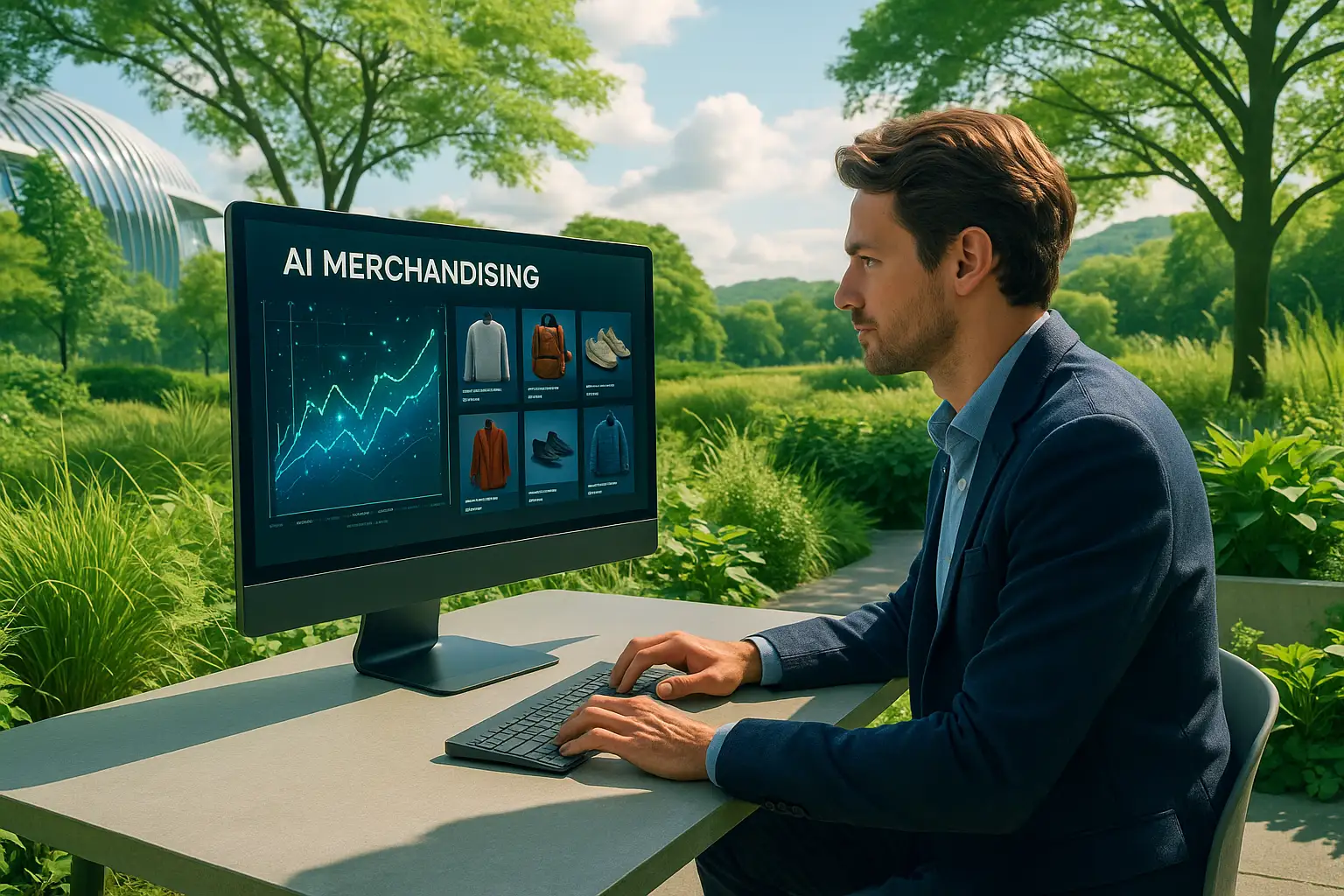
AI Merchandising: How Intelligent Algorithms Are Transforming Product Discovery in Modern E-Commerce
1. Introduction
The digital marketplace is more crowded than ever.
Thousands of brands, millions of products, endless competition.
In this environment, what determines whether a customer finds what they want — or leaves frustrated?
The answer is merchandising: the art and science of presenting the right products, to the right users, at the right moment.
But traditional merchandising is slow, manual, and deeply limited.
Today’s users demand speed, relevance, personalization, and perfect alignment with their intent.
This is where AI merchandising steps in — automating product discovery and turning static e-commerce catalogs into adaptive, intelligent experiences.
2. What Is AI Merchandising?
AI merchandising refers to the use of artificial intelligence — including machine learning, recommendation engines, and behavioral analytics — to dynamically optimize:
- product ranking,
- category pages,
- search results,
- product suggestions,
- homepage layouts,
- upsell and cross-sell strategies,
- and content placement.
Instead of manually choosing what customers should see, AI learns from:
- browsing patterns,
- purchase history,
- intent signals,
- context (device, time, location),
- similar user cohorts,
- and real-time store activity.
The result is data-driven product discovery — unique for every visitor.
3. Why AI Merchandising Matters More Than Ever
A. Users expect personalization
Over 70% of shoppers say they expect stores to understand their preferences.
AI makes this expectation reality.
B. Catalogs are growing
Modern e-commerce brands may offer thousands or even millions of SKUs.
No human team can merchandize such scale manually.
C. Search fatigue
Poor product discovery is a major reason users abandon stores.
AI ensures they find what they want faster.
D. Competition is intense
Brands must differentiate through experience, not just price.
4. How AI Merchandising Works
AI merchandising combines multiple technologies.
Here are the key components:
1. Recommendation Engines
Algorithms analyze behavior and similarities between shoppers to display:
- “You might also like”
- “Frequently bought together”
- “Inspired by your browsing”
- “Trending now”
2. Dynamic Ranking
Products are automatically sorted based on:
- predicted conversion likelihood,
- relevance score,
- user intent signals,
- profit optimization,
- inventory levels.
3. AI Search
Search becomes conversational and semantic.
Example: “black running shoes for winter” yields highly relevant results without manual tagging.
4. Real-Time Context Awareness
AI adapts based on moment-to-moment signals:
- weather (rain → umbrellas, boots),
- location (local trends),
- time (evening → loungewear),
- season,
- device type.
5. Visual and Behavioral Recognition
Computer vision identifies product attributes from images.
Behavioral models decode intent from clicks, scrolls, and hovers.
Together, these systems create intelligent, adaptive merchandising.
5. The Business Impact of AI Merchandising
Higher Conversions
Users see products they’re more likely to purchase.
Better User Experience
Less scrolling; more relevance.
Reduced Bounce Rates
Shoppers quickly find what they want.
Improved AOV (Average Order Value)
AI-powered upsells and cross-sells.
Higher Lifetime Value
Personalized product discovery builds brand loyalty.
Faster Operations
Merchandising teams focus on strategy — not manual page updates.
6. AI Merchandising in Marketplaces
Marketplaces face unique challenges:
- multiple vendors,
- varied pricing,
- inconsistent product data,
- massive catalog sizes.
AI solves these by:
- standardizing product attributes with computer vision,
- ranking items by performance + user relevance,
- dynamically selecting which seller appears first,
- preventing low-quality listings from dominating search.
Result:
Marketplaces become smarter, cleaner, and easier to shop.
7. Key AI Technologies Used in Merchandising
1. Collaborative Filtering
Learns based on similar customer behavior.
2. Deep Learning
Understands images, text, sentiment, and complex patterns.
3. NLP (Natural Language Processing)
Improves search and conversational commerce.
4. Predictive Analytics
Forecasts trends and demand.
5. Reinforcement Learning
AI improves itself by testing and refining ranking strategies.
8. Real-World Examples
Amazon
Over 35% of Amazon’s revenue comes from AI recommendations.
Zalando
AI curates outfits and predicts fashion preferences.
Shopify
Launching built-in AI discovery tools for independent stores.
TikTok Shop
AI-driven product ranking tied to content behavior.
AI merchandising is becoming the backbone of modern commerce.
9. Challenges
AI merchandising is powerful, but not trivial:
- Poor data quality produces bad recommendations
- Over-personalization can trap users in “filter bubbles”
- Ethical concerns around profiling
- Requires strong engineering foundations
- Needs constant training and monitoring
Successful adoption requires both technology and governance.
10. The Future of AI Merchandising
We are entering the era of autonomous storefronts — digital shops that organize themselves.
Future trends include:
1. Emotion-Aware Merchandising
Product suggestions based on mood detected from voice or camera.
2. Hyper-Personalized Touchpoints
Every user sees a different homepage — entirely tailored.
3. AI-Generated Category Pages
Categories created dynamically based on emerging trends.
4. Real-Time Microsegments
Users grouped into live cohorts updated every second.
5. Autonomous Buying Journeys
AI guides the shopper from discovery → evaluation → checkout.
The future store will be alive — adapting in real time to every shopper.
Conclusion
AI merchandising is transforming e-commerce from static catalogs into dynamic, intelligent ecosystems.
Brands that embrace it achieve:
- higher engagement,
- better conversions,
- faster product discovery,
- stronger loyalty,
- and a clear competitive edge.
As product catalogs grow and user expectations rise, AI will become not just an advantage — but an essential foundation of modern e-commerce.
The future of shopping is intelligent.
And AI is the new merchandiser.
Przeglądaj inne artykuły
Why Most Marketplaces Fail: The Hidden Challenges Behind Scaling Supply and Demand
Composable Marketplaces: Building Flexible, Scalable Platforms for Modern Commerce

The New Marketplace Economy: How Platforms Are Evolving into Intelligent, Scalable Ecosystems
From Search to Intent: How AI Is Rewriting Marketplace Discovery

AI-Driven Marketplaces: Real-Time Offer Matching as a Competitive Advantage
Category Depth vs Category Breadth: The Real Economics Behind Marketplace Expansion

Liquidity Is Not Volume: The Structural Mistake That Kills Marketplaces

The Take Rate Trap: Why Raising Commissions Is the Fastest Way to Kill a Marketplace

When to Fire Sellers: Why the Best Marketplaces Grow Faster by Shrinking Supply
Marketplace Support Costs: The Hidden Margin Killer No One Models

Tiered Pricing Without Backlash: How to Monetize Sellers Without Killing Growth
Seller Segmentation: The Missing System Behind Profitable Marketplaces

Why Most Marketplaces Die at €1–3M GMV (And How to Avoid It)
Marketplace Unit Economics: When Growth Actually Becomes Profitable

How High-Margin Marketplaces Actually Make Money (Beyond Commissions)
Algorithmic Middle Management: How Software Replaces Control Layers

The Rise of Internal Software: Why the Most Profitable Digital Products Are Built for Companies, Not
Decision-Centric Software: Why the Real Value of Digital Products Is Shifting from Features to Decis

Software That Never Launches: Why Continuous Evolution Is Replacing Releases and Roadmaps
Digital Products Without Users: When Software Works Entirely Machine-to-Machine
Unbundled Platforms: Why the Future of Digital Products Belongs to Ecosystems, Not Single Applicatio

Silent Software: Why the Most Valuable Digital Products of the Future Will Be the Ones Users Barely
Cognitive Commerce: How AI Learns to Think Like Your Customers and Redefines Digital Shopping

Predictive UX: How AI Anticipates User Behavior Before It Happens

AI-Driven Product Innovation: How Intelligent Systems Are Transforming the Way Digital Products Are
Adaptive Commerce: How AI-Driven Systems Automatically Optimize Online Stores in Real Time
Zero-UI Commerce: How Invisible Interfaces Are Becoming the Future of Online Shopping
Composable Commerce: How Modular Architecture Is Reshaping Modern E-Commerce and Marketplace Develop

Context-Aware Software: How Apps Are Becoming Smarter, Adaptive, and Environment-Responsive
AI-Driven Observability: The New Backbone of Modern Software Systems

Hyper-Personalized Software: How AI Is Creating Products That Adapt Themselves to Every User
Edge Intelligence: The Future of Smart, Decentralized Computing

AI-Powered Cybersecurity: How Intelligent Systems Are Redefining Digital Defense
Modern Software: How Our Company Is Reshaping the Technology Landscape

From Digital Transformation to Digital Maturity: Building the Next Generation of Tech-Driven Busines
AI Agents: The Rise of Autonomous Digital Workers in Business and Software Engineering
Synthetic Data: The Next Frontier of AI and Business Intelligence

Quantum AI: How Quantum Computing Will Redefine Artificial Intelligence and Software Engineering

Design Intelligence: How AI Is Redefining UX/UI and Digital Product Creativity

How Artificial Intelligence Is Transforming DevOps and IT Infrastructure
AI Observability in Production: Monitoring, Anomaly Detection, and Feedback Loops for Smart Applicat

Low-Code Revolution: How Visual Development Is Transforming Software and Marketplace Creation

Composable Marketplaces: How Modular Architecture Is the Future of Platform Engineering
AI-Powered Storyselling: How Artificial Intelligence Is Reinventing Brand Narratives
The Era of Invisible Commerce: How AI Will Make Shopping Disappear by 2030
From Attention to Intention: The New Era of E-Commerce Engagement
Predictive Commerce: How AI Can Anticipate What Your Customers Will Buy Next

Digital Trust 2030: How AI and Cybersecurity Will Redefine Safety in the Digital Age

Cybersecurity in the Age of AI: Protecting Digital Trust in 2025–2030
The Future of Work: Humans and AI as Teammates

Green IT: How the Tech Industry Must Adapt for a Sustainable Future

Emerging Technologies in IT: What Will Shape 2025–2030
Growth Marketing – A Fast-Track Strategy for Modern Businesses
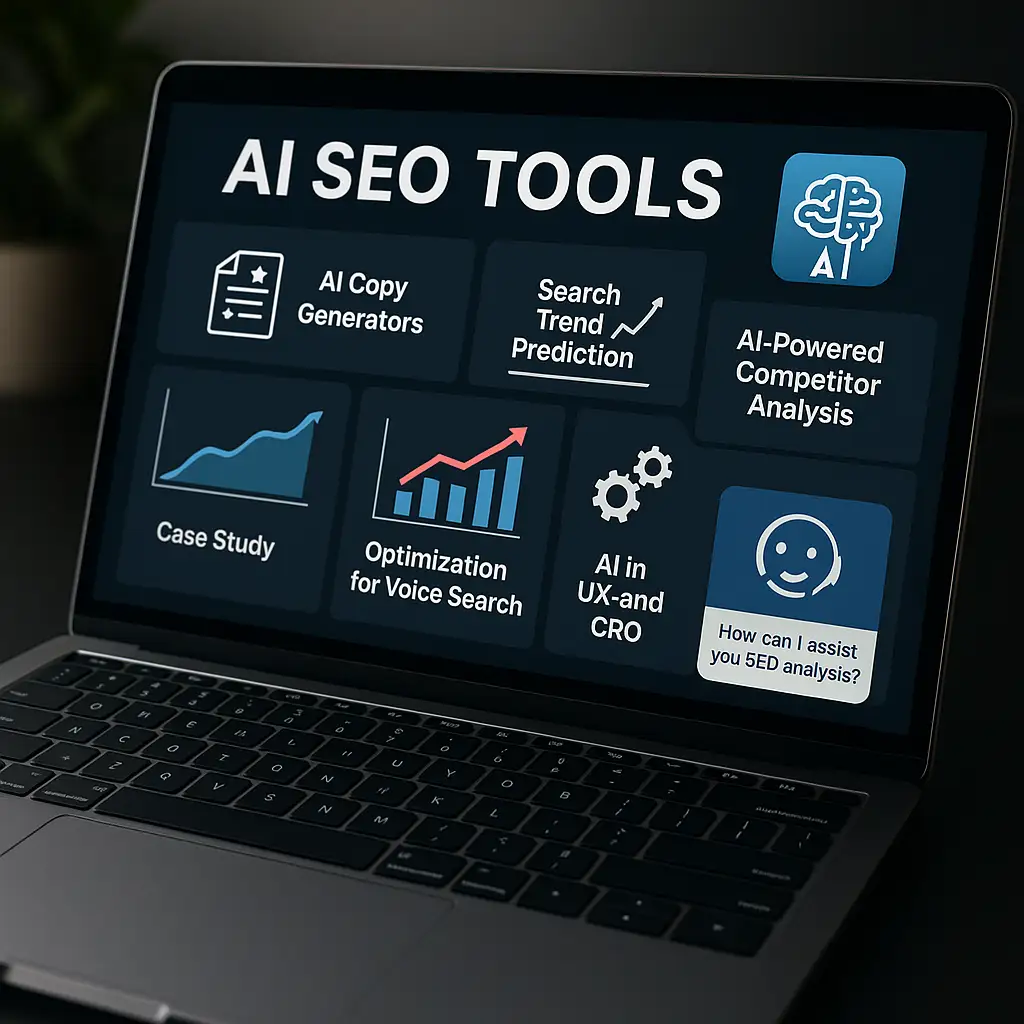
AI SEO Tools – 5 Technologies Revolutionizing Online Stores
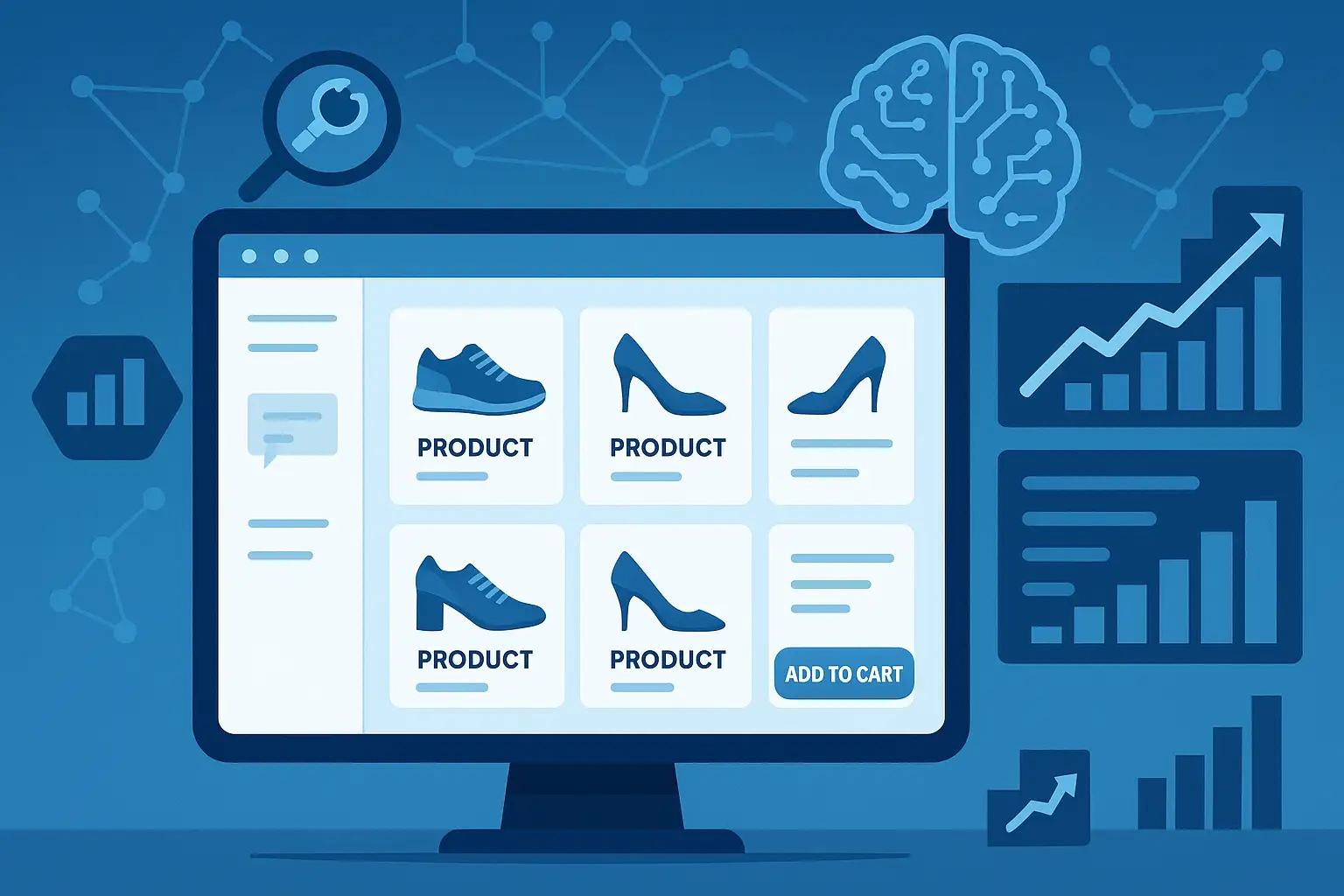
AI SEO – How Artificial Intelligence Is Transforming Online Store Optimization

Product-Led Growth – When the Product Sells Itself

Technology in IT – Trends Shaping the Future of Business and Everyday Life
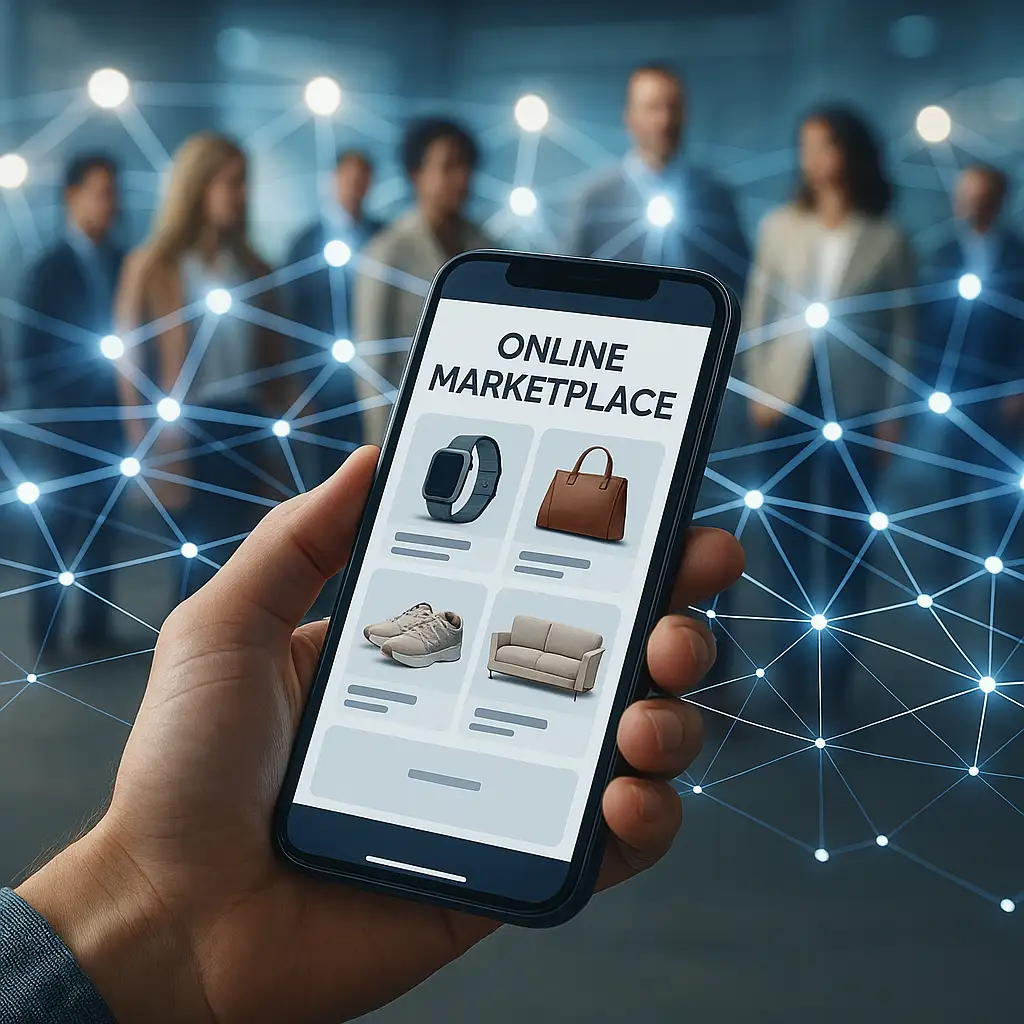
Marketplace Growth – How Exchange Platforms and E-commerce Build the Network Effect
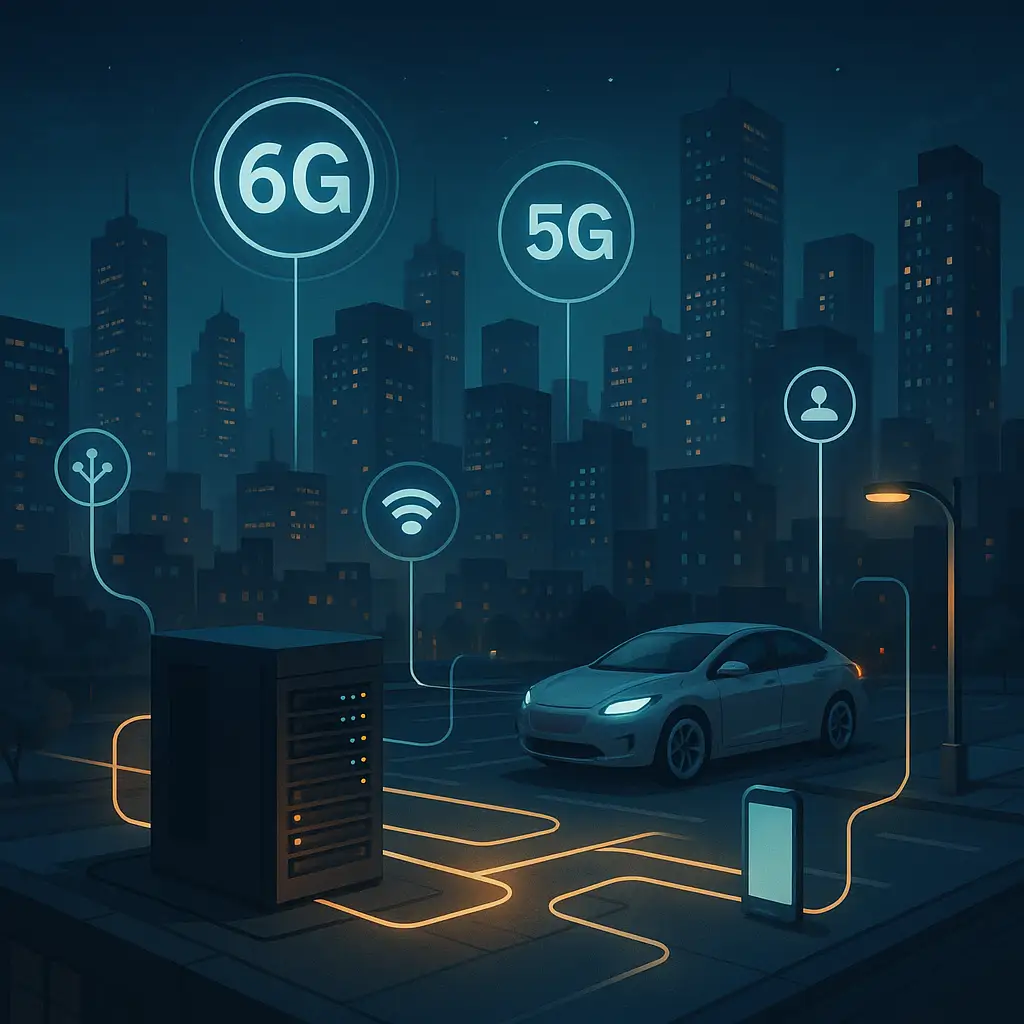
Edge Computing – Bringing Processing Power Closer to the User

Agentic AI in Applications – When Software Starts Acting on Its Own

Neuromorphic Computers and 6G Networks – The Future of IT That Will Change the Game

Meta Llama 3.2 – The Open AI That Could Transform E-Commerce and SEO
AI Chatbot for Online Stores and Apps – More Sales, Better SEO, and Happier Customers

5 steps to a successful software implementation in your company

Innovative IT solutions — why invest now?

Innovative software development methods for your business

5 steps to successfully implement technological innovation in your company